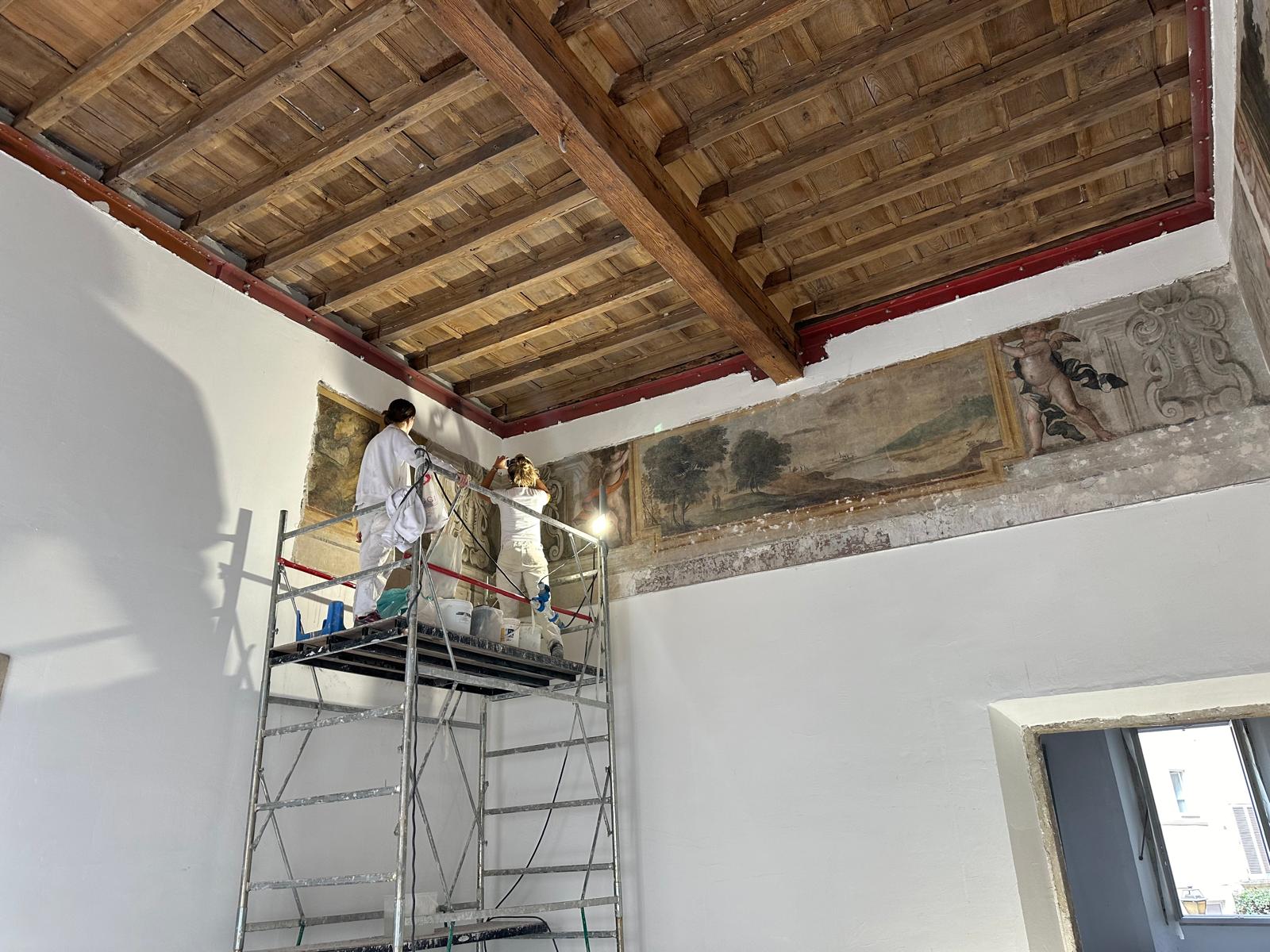
16TH CENTURY
The historical and cultural context of the 16th century
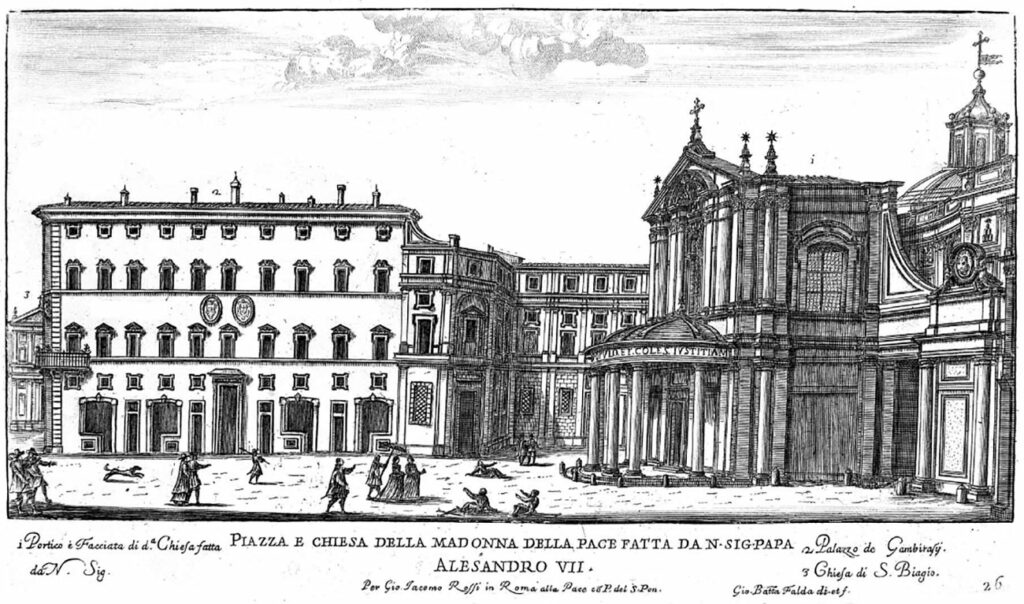
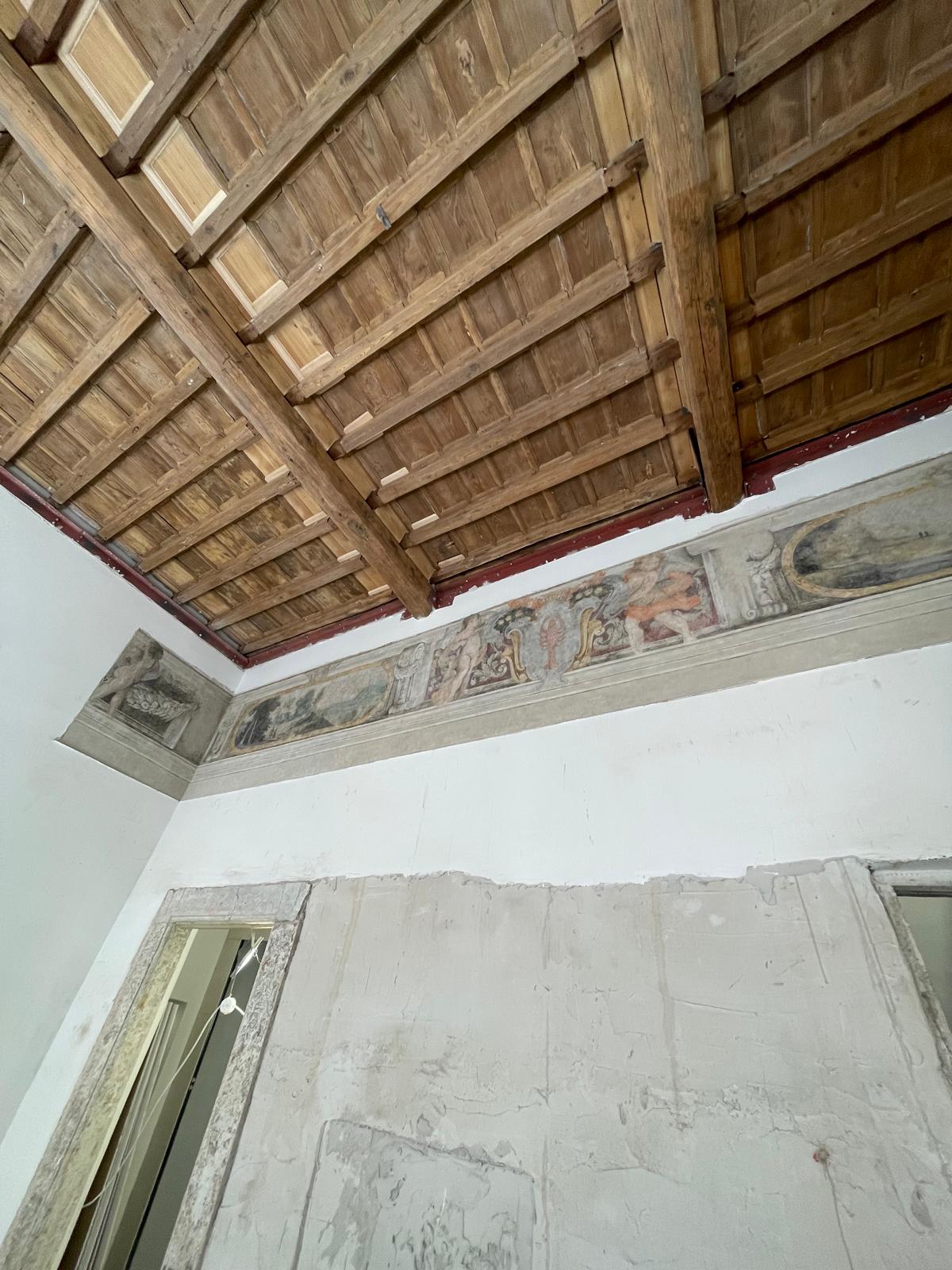
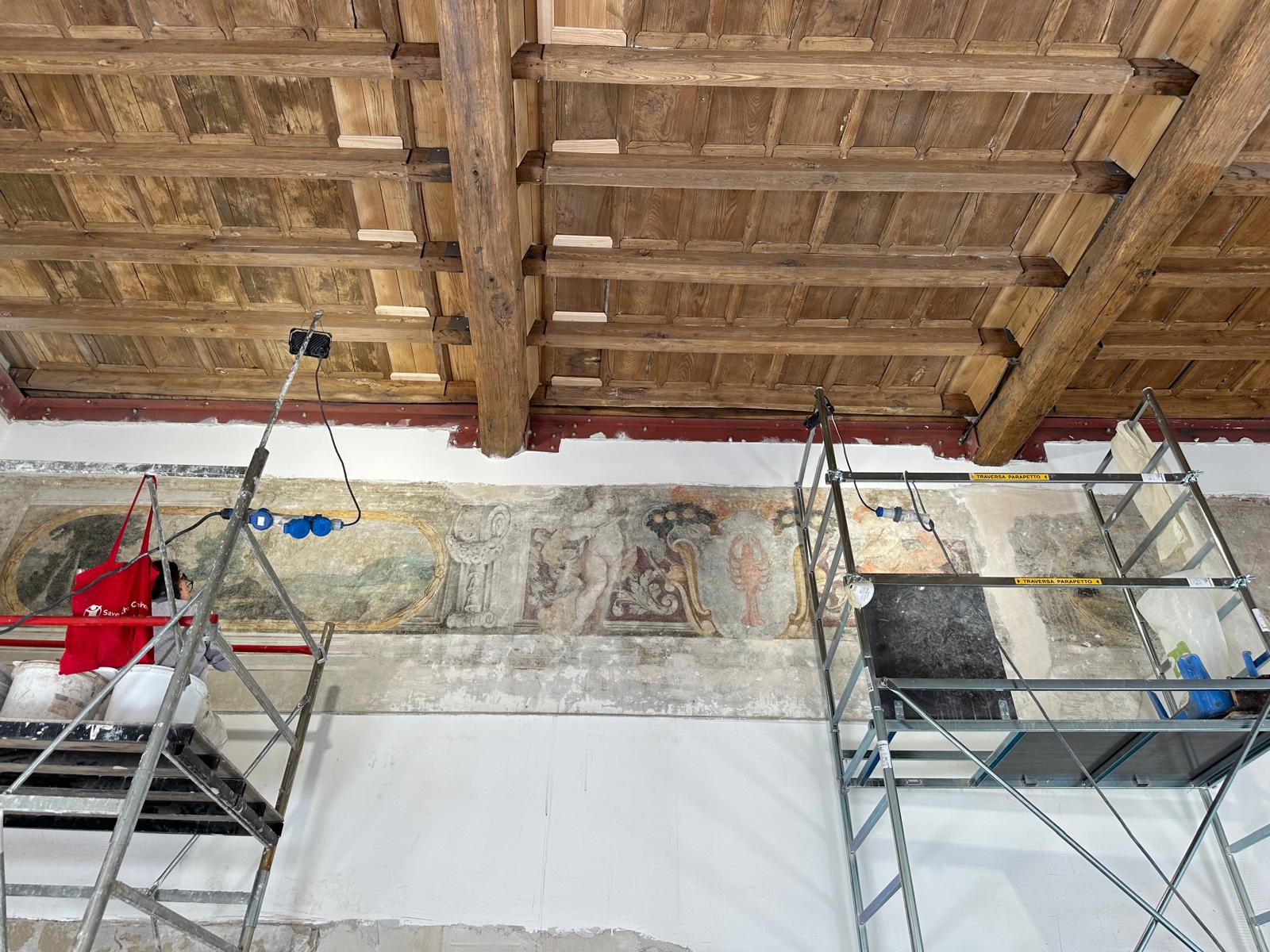
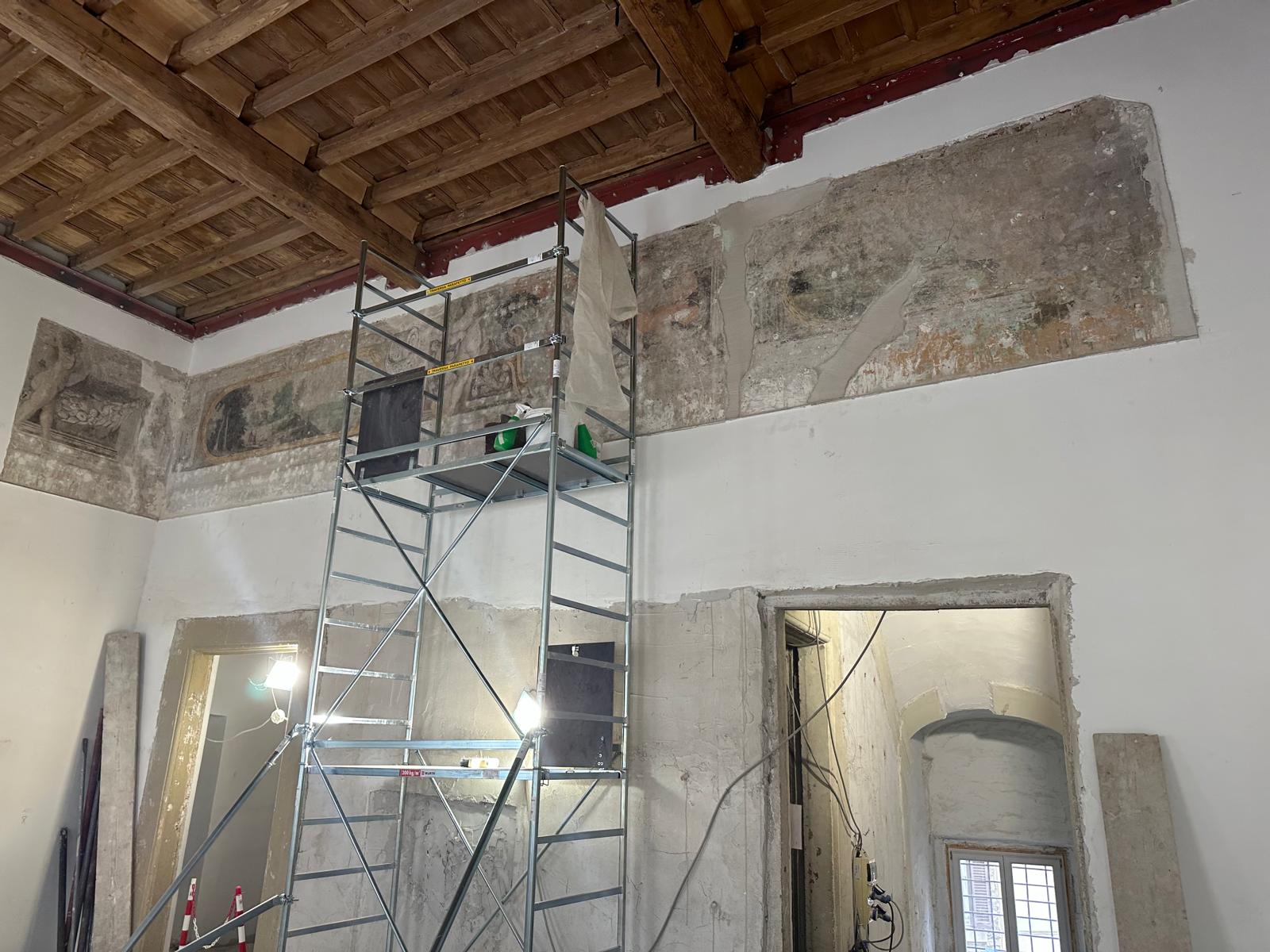
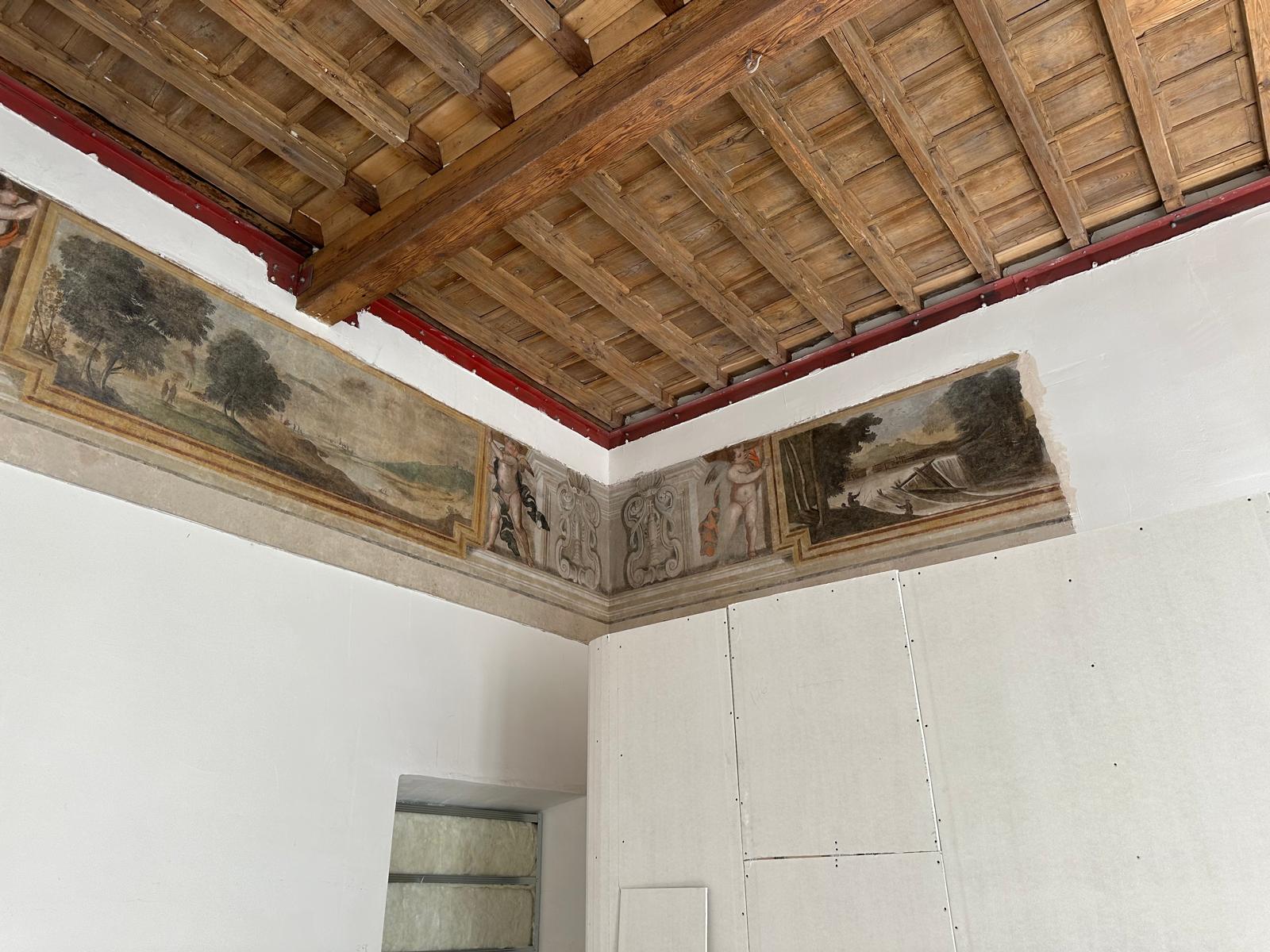
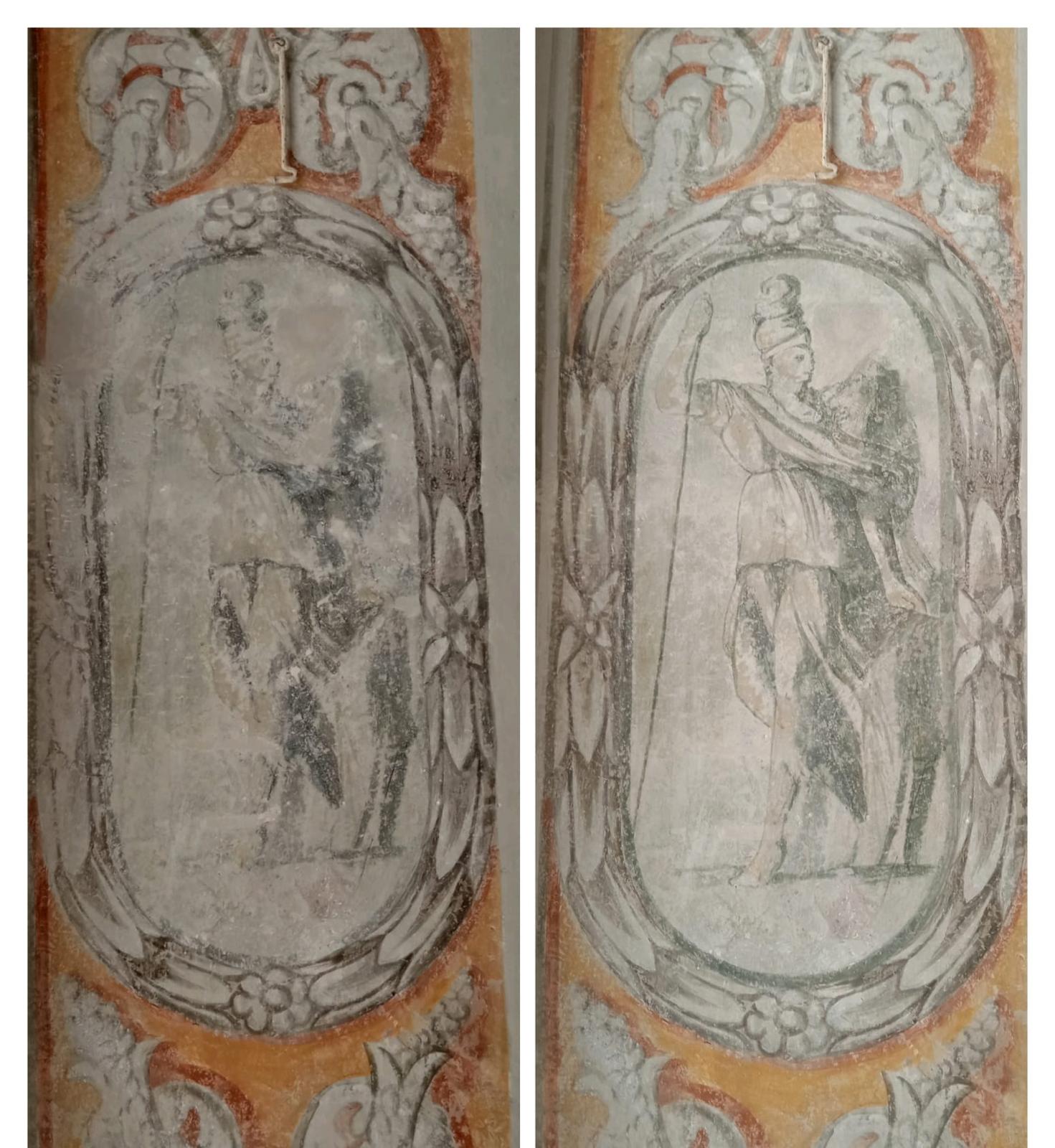
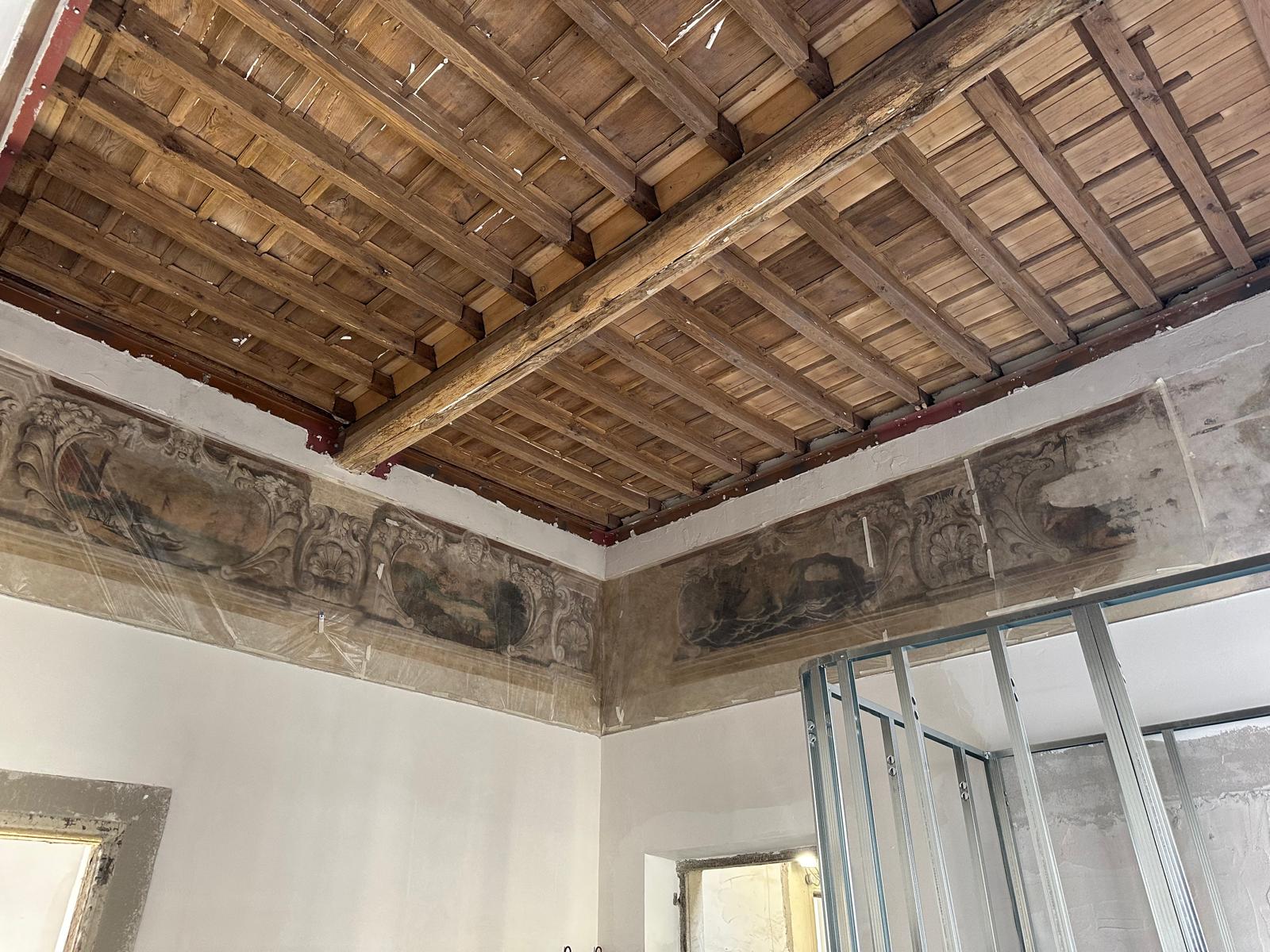
The construction of Palazzo Gambirasi began at a pivotal moment in Roman history—the 16th century—a period of intense cultural and artistic ferment. Rome was experiencing an economic and cultural revival, supported by popes and noble families who commissioned significant architectural works. The area surrounding the palazzo, near the Chiostro del Bramante, served as one of the hubs of Renaissance culture.
During this era, Rome was a vital center for artists, architects, and patrons, establishing itself as an iconic city of the Italian Renaissance. Palazzi such as the Gambirasi were more than mere residences; they were true monuments to prestige, helping to shape Rome’s cultural identity. The families who inhabited these dwellings were an integral part of the city’s social and artistic fabric, exerting a lasting influence on its evolution.
During this era, Rome was a vital center for artists, architects, and patrons, establishing itself as an iconic city of the Italian Renaissance. Palazzi such as the Gambirasi were more than mere residences; they were true monuments to prestige, helping to shape Rome’s cultural identity. The families who inhabited these dwellings were an integral part of the city’s social and artistic fabric, exerting a lasting influence on its evolution.
17TH CENTURY
The Baroque transformation: the contribution of Giovanni Antonio De Rossi
The architectural history of Palazzo Gambirasi intensifies in the second half of the 17th century.
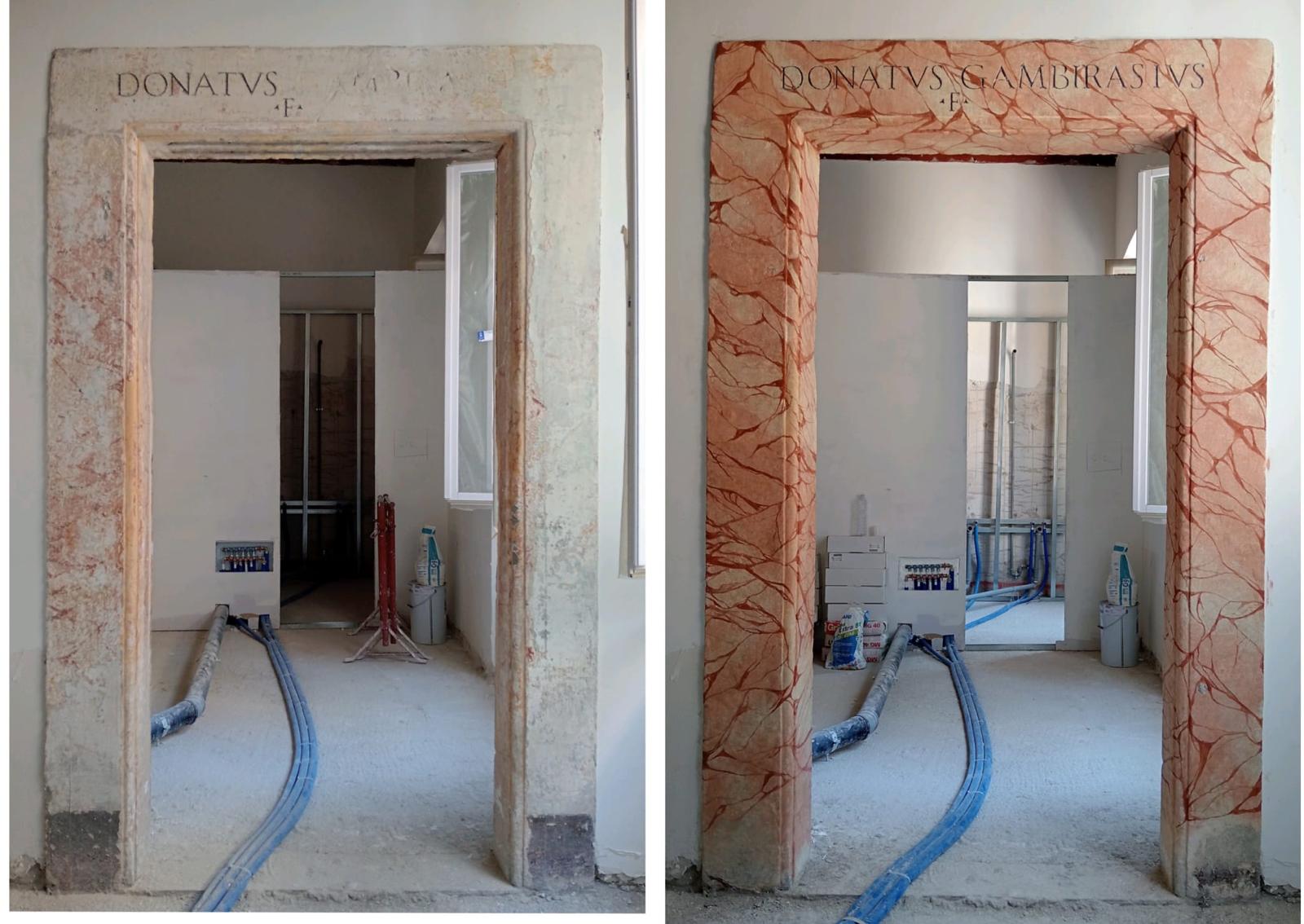
- 1657: The demolition of medieval houses began, making way for the new palace. The driving economic forces behind the operation were Pope Alexander VII Chigi and a wealthy private individual from Bergamo, Donato Gambirasi.
- 1658: The architect Giovanni Antonio De Rossi was commissioned to design the first phase of the palace, with the main entrance on Via della Pace. During this phase, the urban scenography by Pietro da Cortona was also constructed.
- 1660: De Rossi completes the main phase of his project, and the palace becomes an example of Baroque elegance in the heart of Rome.
- 1665: Gambirasi acquired additional houses on the Arco della Pace, expanding the palazzo toward Via dei Coronari and incorporating the Cortona-style staircase with its trapezoidal base.
- 1670: The second phase of the palace concludes with the complete transformation of the medieval fabric and the integration of the monumental staircase.
18TH CENTURY
Subsequent interventions: Antonio Barbey and the vertical extension
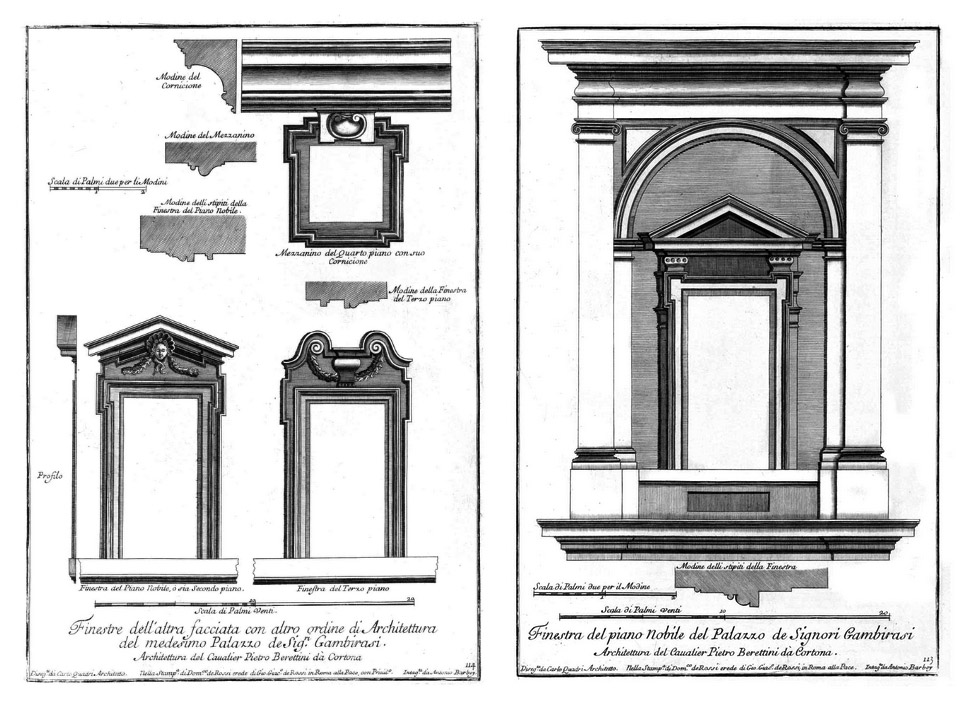
During the 18th century, the building continued to undergo significant modifications. In 1702, the architect Antonio Barbey was involved in a renovation project, which likely included work on the interior spaces and their decoration. Barbey, known for his restrained yet elegant style, adapted the palazzo to the new architectural tastes of the late Baroque period. Furthermore, in 1710, it was decided to raise the height of the southern façade—designed in the manner of Cortona—by adding new floors to meet the residential needs of the Ospedale di Santa Maria dell'Anima, which acquired the entire building between 1699 and 1732.
19TH CENTURY
A Neoclassical Residence: Giovanni Azzurri
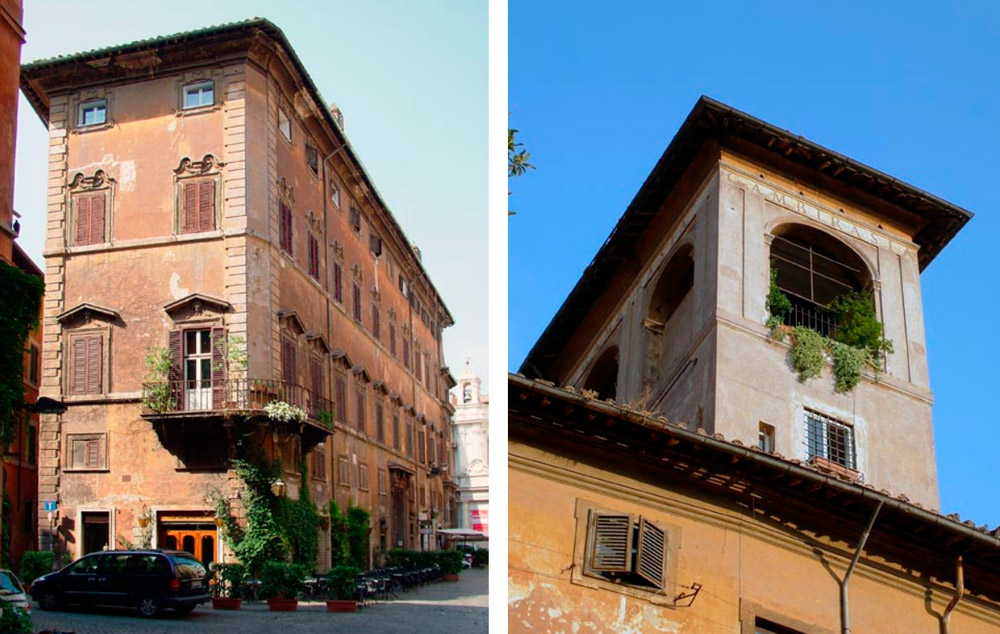
In the 19th century, the palazzo gained new significance when the architect Giovanni Azzurri took up residence there in 1858. Azzurri, a proponent of neoclassical architecture, admired the elegance of the palazzo, which had amassed an extraordinary artistic and historical heritage over the centuries.
20TH – 21ST CENTURY
Conservation and adaptation in the 20th and 21st centuries
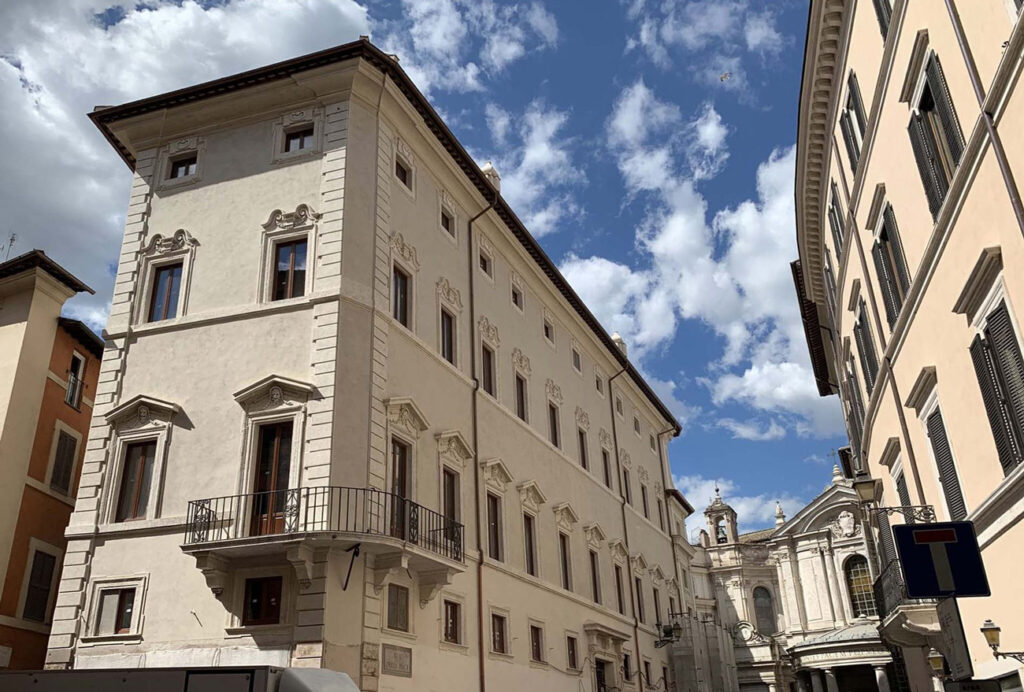
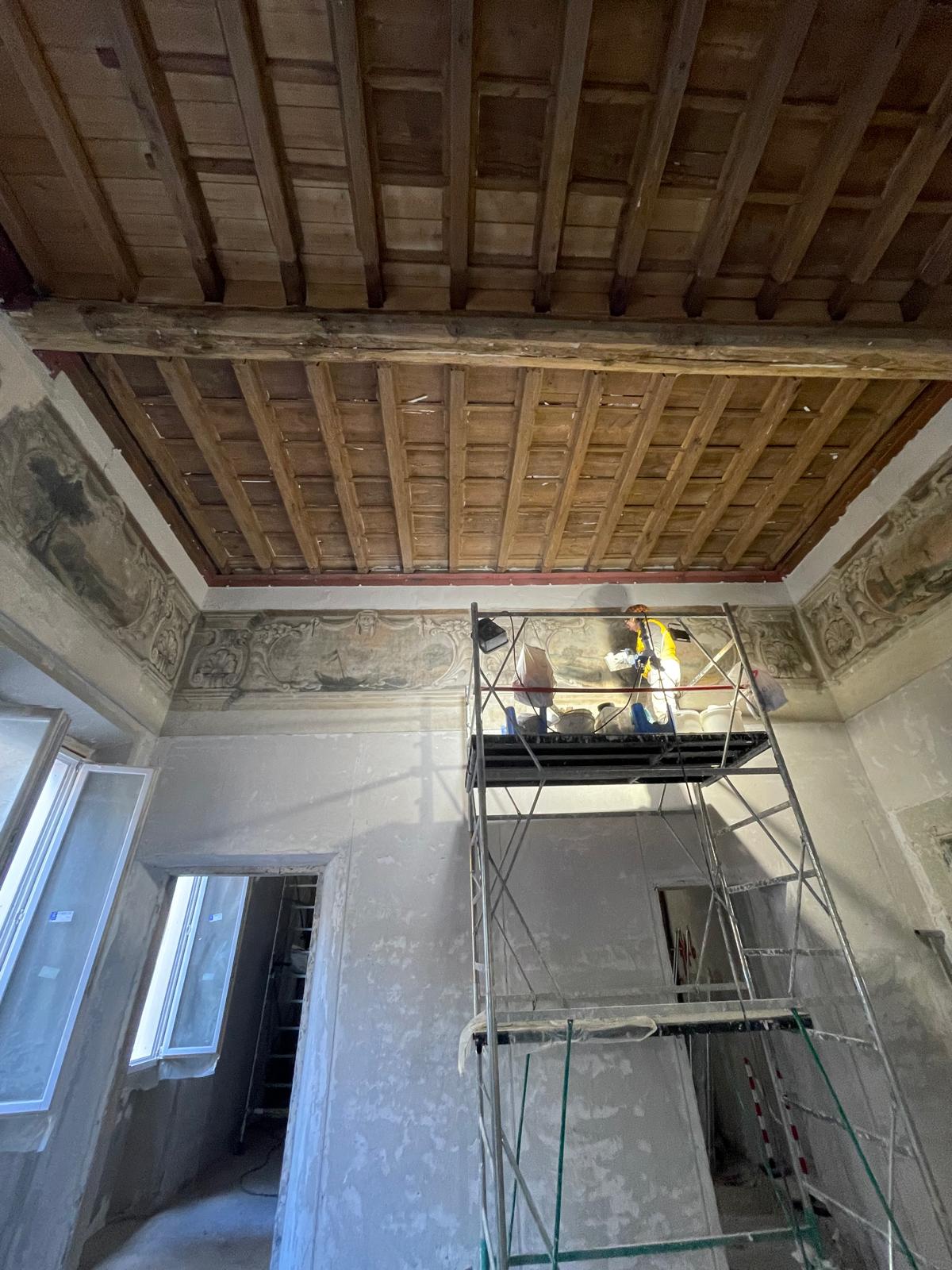
During the 20th century, like many other historic buildings in Rome, Palazzo Gambirasi likely underwent conservation-focused restoration work to preserve its architectural integrity. Such restorations were necessary to adapt the palazzo to modern requirements while remaining in compliance with regulations concerning cultural heritage.
Today, in the 21st century, Palazzo Gambirasi remains an important testament to Renaissance and Baroque architecture in Rome. The building is presumably protected and considered an integral part of the city’s historical heritage; it continues to be a subject of cultural and tourist interest, although its use may be restricted by stringent regulations governing the preservation of historic buildings.
Today, in the 21st century, Palazzo Gambirasi remains an important testament to Renaissance and Baroque architecture in Rome. The building is presumably protected and considered an integral part of the city’s historical heritage; it continues to be a subject of cultural and tourist interest, although its use may be restricted by stringent regulations governing the preservation of historic buildings.